Casino
 Betting
 Games
Games 
 Banking
 Bonuses

Indian iGaming Marketing and Surrogate Advertising

- Indian iGaming Marketing and Surrogate Advertising

 Author: Lukas Mollberg
 Updated: 18 May, 2026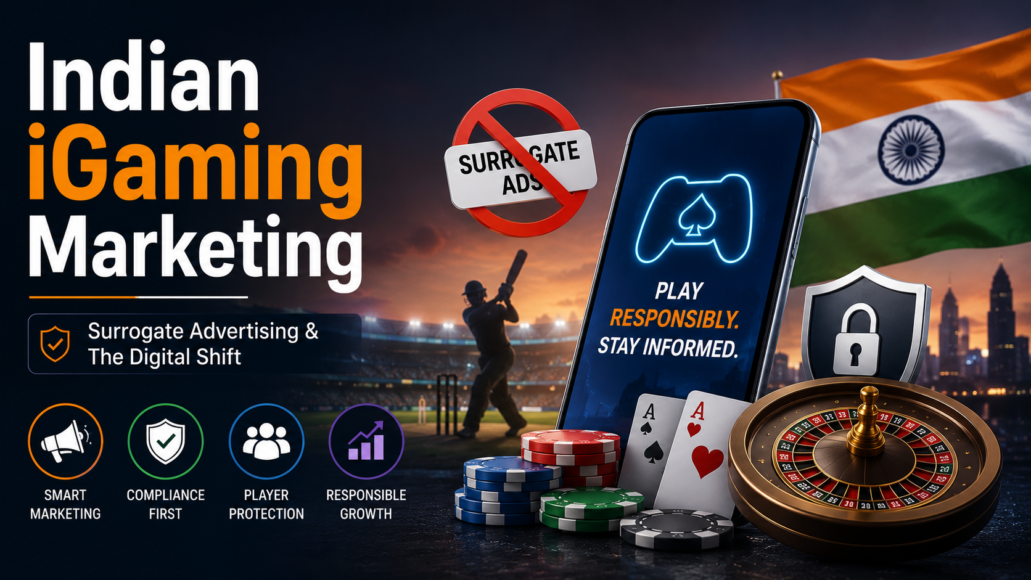
India’s iGaming market has moved from aggressive visibility campaigns to a far more cautious, compliance-led marketing environment. For years, online gaming brands relied on cricket sponsorships, celebrity endorsements, influencer reels, bonus-led ads, Telegram communities, and high-frequency social media campaigns to reach Indian players. That model is now under heavy pressure because regulators, platforms, and advertising bodies are paying closer attention to real-money gaming, betting-style promotions, and offshore casino visibility.
At Casinoble, we see this shift as more than a legal issue. It is also a trust issue. Indian users are not only asking which platforms are available. They are asking whether promotions are safe, whether ads are misleading, and whether a brand is transparent about risk. The Promotion and Regulation of Online Gaming Act, specifically prohibits offering, facilitating, advertising, promoting, and participating in online money games through digital channels, including cross-border and offshore activity. This changes how iGaming brands must think about acquisition, content, affiliate visibility, and user protection.
What Surrogate Advertising Means in Indian iGaming
Surrogate advertising happens when a brand promotes a restricted product indirectly through another product, service, event, or lifestyle message. In Indian iGaming, this can include campaigns that appear to promote sports news, prediction content, fantasy-style engagement, fan communities, merchandise, or entertainment apps while the real commercial goal is to drive users toward betting or casino activity.
This matters because Indian audiences often discover gaming brands through cricket content, influencers, sports pages, odds-style discussion, and short-form video. The ad may not say “place a bet now,” but it may still create a pathway to a real-money platform. Indian authorities have already warned media platforms and social media intermediaries against carrying advertisements, including surrogate advertisements, for online casino platforms.
For players, the risk is simple: a polished campaign can make an unsafe or offshore operator look mainstream. For marketers, the risk is bigger. A campaign that looks clever from a brand perspective can still be treated as non-compliant if the underlying intent is to promote prohibited betting or money gaming.
The Main Advertising Risks for Indian iGaming Brands
Indian iGaming marketing is now shaped by platform rules, legal restrictions, payment scrutiny, and consumer protection expectations. The old playbook of high bonus claims and influencer-led hype is not enough. In fact, it can create reputational damage if the campaign does not clearly explain risk, eligibility, and responsible play.
The biggest risks include:
- Misleading winning claims – Ads that suggest gaming is a source of income are especially problematic. ASCI’s real-money gaming guidance requires responsible content and says ads should not depict minors or represent winnings as a means of livelihood.
- Celebrity or influencer trust transfer – A known face can make a risky product feel safe, even when the platform is offshore or legally unclear.
- Bonus-first messaging – “Free money,” “guaranteed wins,” and similar phrases can hide wagering limits, KYC checks, and withdrawal restrictions.
- Surrogate funnels – Sports content, prediction pages, or entertainment campaigns may still be treated as betting promotion if they direct users toward gambling activity.
- Weak age and risk controls – Campaigns that reach minors or vulnerable users are likely to attract stronger scrutiny.
How the Digital Shift Affects Affiliates Like Casinoble
Affiliate websites sit in a sensitive position because users often arrive during the decision stage. They may already be comparing platforms, bonuses, payment methods, or withdrawal conditions. That means affiliate content should not behave like a disguised ad. It should help users understand the market, the risks, and the limits of what is available to them.
For the Indian audience, this is especially important because the regulatory picture has changed quickly. The government has increased enforcement against illegal betting and gambling sites, with reports of hundreds of websites and apps being blocked after the Online Gaming Act framework. Police action has also targeted social media accounts and paid ads promoting illegal betting, including campaigns that used bonus promises and fake investment-style messaging.
For Casinoble, the practical takeaway is clear. Content should focus on transparency, safer decision-making, local restrictions, payment friction, KYC expectations, and responsible gambling. Commercial pages should answer “which option is safer and why,” while informational articles should explain the market honestly. This approach follows the same principle used for high-intent casino pages: every claim should help the reader make a better decision, not just push them toward a click.
What Responsible iGaming Marketing Should Include
Responsible iGaming marketing in India should be built around clarity, proof, and user protection. A good campaign should not depend on urgency alone. It should explain who the product is for, what the restrictions are, what risks exist, and what users should check before engaging with any platform.
Strong iGaming content should include:
- Clear risk warnings and responsible gambling language.
- No claims that gambling can create stable income.
- No targeting of minors, students, or financially vulnerable users.
- Transparent bonus explanations, including wagering terms and withdrawal limits.
- Country-specific context on legality, access, and payment restrictions.
- Honest discussion of KYC, blocked transactions, and account verification delays.
- Clear separation between educational content and promotional content.
In our experience, users value content more when it explains friction points before they register. For example, Indian players may face card declines, blocked transactions, payment delays, or extra verification requests. These details are not attractive marketing lines, but they build trust. They also make content more useful than generic AI-written pages that repeat the same bonus and game descriptions without explaining real user problems.
Surrogate Advertising and the Future of iGaming Visibility
Surrogate advertising is unlikely to disappear, but it will become harder to hide. Platforms, regulators, and advertising bodies are improving monitoring systems. ASCI has also worked with gaming industry bodies to identify and report illegal offshore betting and gambling ads, with monitoring activity beginning in 2025.
This means iGaming brands need a more mature content strategy. Instead of pushing unclear lifestyle ads or sports-adjacent campaigns, brands should invest in explainers, compliance-led education, responsible gaming pages, transparent reviews, and user-first comparison content. That is also better for SEO. Search engines and AI answer systems increasingly reward content that is specific, structured, trustworthy, and useful.
For India, the winning strategy is not louder advertising. It is better information. Brands that explain restrictions honestly, avoid exaggerated promises, and respect user safety will have a stronger long-term position. Brands that rely on loopholes, influencers, or disguised betting funnels may get short-term traffic, but they also carry higher regulatory, platform, and reputation risk.
Conclusion: Trust Is the New Growth Channel
The digital shift in Indian iGaming marketing is not only about regulation. It is about credibility. Indian users have become more aware of misleading ads, blocked platforms, offshore operators, and unrealistic winning claims. At the same time, regulators are becoming more active, and advertising platforms are under pressure to remove non-compliant promotions.
For Casinoble, the right approach is to treat iGaming content as a user-protection tool as much as a discovery tool. That means explaining surrogate advertising, identifying risky claims, and giving Indian readers practical context before they interact with any gaming-related brand. It also means avoiding overconfident language when laws, payments, and access conditions can change.
The future of iGaming marketing in India will belong to brands that can prove trust, not just buy attention. Clear content, responsible messaging, and transparent comparisons will matter more than bonus hype. In a market shaped by regulation and digital discovery, that is the safest and most sustainable path forward.

Lukas Mollberg
Casino Expert | Head of Content at CasinobleLukas Mollberg is an experienced iGaming analyst and editorial lead with more than twenty years in gaming and digital media, including over eight years focused on online casinos. As Head of Content at Casinoble, he guides the editorial team, shapes review methodology, and ensures that research and analysis are grounded in verified data and clear evaluation standards.
Most Read News
Get the latest information