Casino
 Betting
 Games
Games 
 Banking
 Bonuses

The Indian Mobile Casino UX Revolution: Player-First Design

- The Indian Mobile Casino UX Revolution: Player-First Design

 Author: Lukas Mollberg
 Updated: 5 May, 2026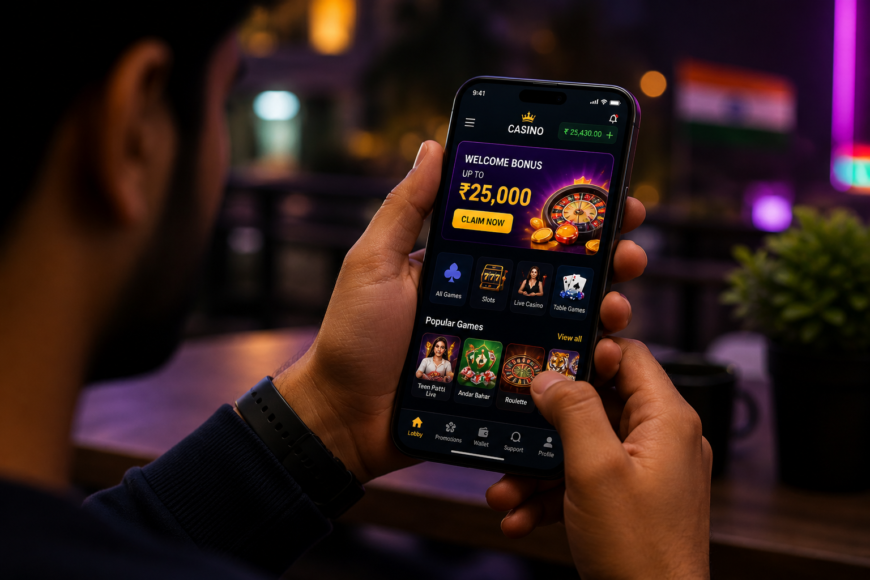
Indian mobile casino UX is changing because players now expect fast access, simple account steps, clear payment information, and safer controls before they commit to a platform. For Casinoble, the design story in 2026 is not only about better-looking apps or more modern casino lobbies.
It is about whether a mobile casino helps Indian users make confident decisions on small screens, often with limited time, mixed network quality, and strict expectations around payments and verification.
A strong casino experience should explain what is available, what may be restricted, how withdrawals work, and what responsible gambling tools are easy to access. In other words, mobile UX has become a trust signal. If a casino feels slow, confusing, or vague during registration, players are more likely to leave before depositing.
Why India Is Driving a Mobile-First Casino Shift
India is one of the most mobile-first digital markets in the world, and that changes how casino platforms need to be designed. Many users do not approach online casinos from a desktop-first mindset. They search, compare, register, verify, deposit, play, and contact support from a phone. This means every unnecessary tap becomes a problem. A cluttered homepage, slow lobby, unclear bonus label, or hidden withdrawal page can make the platform feel risky.
The best mobile casino UX for Indian players should work smoothly on mid-range Android devices, not only on premium phones. It should also support quick scanning because many users compare several casino brands before choosing one. In 2026, casino design for India needs to feel closer to a banking, shopping, or entertainment app than an old gambling website squeezed onto mobile.
The New UX Standard: Fast, Light, and Thumb-Friendly
Speed is now one of the clearest signs of a trustworthy mobile casino. A casino may offer hundreds of games, live dealer tables, and large bonuses, but none of that matters if the lobby takes too long to load. Indian users often play during short mobile sessions, so design needs to reduce waiting and decision fatigue. The strongest layouts use lightweight images, simple menus, sticky account access, and game filters that can be used with one hand. Search should be visible, not buried.
Login, balance, cashier, and responsible gambling settings should be easy to reach from the main navigation. Casino pages should avoid oversized banners, pop-ups, and autoplay elements that slow the first interaction. For Casinoble, this is a major ranking signal because mobile performance directly affects whether Indian players can use the site comfortably in real conditions.
Payments, KYC, and Trust Need Clearer Design
Payment UX is one of the most important parts of the Indian mobile casino experience. Players want to know which deposit methods are available, how withdrawals are handled, whether verification is required, and what can delay a payout. A casino that hides these details until after registration creates unnecessary friction. Good design brings this information forward before the player deposits.
- Show available payment methods before signup, including minimum deposit and withdrawal limits.
- Explain whether the same method must be used for withdrawals.
- Clarify when KYC may be triggered and which documents may be needed.
- Use simple status labels such as “pending,” “approved,” “rejected,” or “under review.”
- Warn players about possible delays caused by weekends, bank checks, or extra verification.
- Keep bonus funds separate from withdrawable cash in the account balance view.
This is where many casino sites lose trust. Indian players do not only want fast deposits; they want fewer surprises when trying to cash out.
Compliance-Led UX Will Matter More
The biggest mobile casino UX change for India is not visual. It is compliance. Gambling and online money gaming rules in India are complex, and operators must be careful about eligibility, product access, advertising, age checks, and player protection. A responsible casino interface should not treat legal information as a footer detail.
It should explain access conditions clearly and avoid misleading users about availability. For players, this matters because a platform that ignores local rules may also be careless with payments, verification, or account closure. For casino brands, compliance-led design means building age checks, identity verification, safer gambling tools, and complaint access into the mobile journey.
A clean UX should never encourage risky workarounds or hide restrictions. The safest design approach is simple: tell players what applies before they deposit, not after they face a problem.
Personalisation Must Feel Helpful, Not Pushy
Personalisation can improve Indian mobile casino UX when it reduces effort. A useful casino may remember recently played games, suggest low-data mode, show preferred language settings, or keep cashier options easy to reach. However, personalisation becomes a problem when it feels like pressure. Repeated bonus prompts, aggressive deposit reminders, and unclear marketing permissions can damage trust, especially on mobile where pop-ups feel more intrusive.
Indian users are becoming more aware of how apps collect and use personal data, so casino platforms should separate important account messages from marketing. Deposit confirmations, withdrawal updates, KYC alerts, and safer gambling reminders should be easy to control. The best casino UX will let users manage notifications, privacy settings, and account limits without contacting support. Personalisation should make the app calmer and easier to use, not more manipulative.
What Casinoble Looks for in Mobile Casino UX
Casinoble reviews mobile casino UX from the player’s point of view, not just from a design checklist. A casino can look modern but still fail if the payment page is unclear, the lobby is hard to search, or support disappears behind automated replies. For Indian players, we focus on the moments where mobile design affects trust most: signing up, depositing, verifying the account, finding games, withdrawing funds, and setting limits. The best platforms reduce uncertainty before the player commits money, instead of explaining important rules only after a problem appears.
- Fast mobile performance on Android and iOS, with a lobby that loads quickly and feels stable.
- Clear payment and withdrawal information before deposit, including limits, fees, and processing times.
- Transparent KYC steps, so players know when documents may be required.
- Simple game navigation with search, filters, and easy access to recently played games.
- Visible responsible gambling tools, including limits, timeouts, and account closure options.
This is why Casinoble values practical usability over loud welcome offers. Good UX helps players make better decisions and avoid avoidable mistakes.
Conclusion
The Indian mobile casino UX revolution is really a shift from flashy design to useful design. In 2026, players will judge casino platforms by how quickly they load, how clearly they explain payments, how honestly they handle KYC, and how easy it is to control spending or close an account. Mobile-first design is no longer a bonus feature. It is the main casino experience for many Indian users. A strong platform should feel fast, transparent, secure, and easy to understand from the first tap.
For Casinoble, the best mobile casino sites are not simply the ones with the biggest promotions. They are the ones that reduce uncertainty at every stage: registration, deposit, gameplay, withdrawal, support, and responsible gambling. To go deeper into this shift, listen to our podcast, “Mobile UX in Indian Online Casinos: How Player Behavior Is Shaping Design in 2026,” where we explore how real player habits are influencing the next generation of casino design.

Lukas Mollberg
Casino Expert | Head of Content at CasinobleLukas Mollberg is an experienced iGaming analyst and editorial lead with more than twenty years in gaming and digital media, including over eight years focused on online casinos. As Head of Content at Casinoble, he guides the editorial team, shapes review methodology, and ensures that research and analysis are grounded in verified data and clear evaluation standards.
Most Recent News
Get the latest information